Behind the build, with Toothpick's CEO
Toothpick
Toothpick started as a marketplace for dental supplies. The work since then has been to put finance, suppliers, and technology around the clinic, so the clinic does not have to stitch that together itself.
This is a conversation with Wael Bizri, CEO and co-founder.
What problem were you trying to solve?
We started at dentistry, trying to give clinics back something surprisingly scarce: time and clarity. The market was incredibly fragmented. A busy clinic could spend hours speaking to different suppliers, comparing incomplete information, or sometimes waiting for the annual conference just to discover what was available.
So, Toothpick started as a marketplace. The idea was simple: make the market more transparent and give clinics their time back. But the marketplace taught us something much bigger. Procurement was not the real problem. Fragmentation was. And once we moved into payments and finance, we started seeing the same problem from another angle, this time across out-of-pocket healthcare. Patients were trying to access care, clinics were trying to provide it, and between them sat payments, financing, suppliers and technology, often operating in separate worlds.
That changed our thinking. We stopped asking how to make one transaction easier and started asking a different question: what if the clinic did not have to navigate the ecosystem at all? What if the ecosystem came to the clinic?
That is where we started. It turned out the problem is much bigger.
Why connect banks, distributors, and clinics?
Healthcare does not need another tool. It needs fewer disconnected ones.
We are not trying to reinvent banks, suppliers, payment companies or healthcare technology. Many of them are already excellent at what they do. The opportunity is to connect those capabilities around the clinic and the patient.
Every additional disconnected service creates another relationship, another process, another integration and another decision. Complexity compounds very quickly. We see Toothpick as the infrastructure between those worlds, where finance, commerce, technology and healthcare can plug into one ecosystem.
Sometimes innovation is not about inventing another wheel. It is about finally getting all the wheels to turn together.
What does the recent recognition change?
Toothpick was recently accepted into NVIDIA's program and shortlisted at the Techne Summit in Alexandria. Recognition is great, but what excites me more is proximity. Being closer to technology and the people shaping what comes next. I think AI is moving from something you use to something that quietly becomes part of how a business operates, and being part of an ecosystem like NVIDIA's gives us an opportunity to learn closer to the source, move faster, and translate that technology into something genuinely useful for healthcare businesses.
But there is an important distinction for us. We do not want clinics to have to become AI companies to benefit from AI. In fact, I think the most successful AI in healthcare may eventually be the AI nobody notices they are using.
Our job is to make that intelligence accessible to the ecosystem and let technology quietly do its work in the background.
What have 1,200 clinics taught you?
Probably that complexity is often invisible to the person living inside it. When you speak to a clinic, its problems can look very specific. Procurement, cash flow, patient acquisition, payments, utilization, staffing.
But when you zoom out across more than 1,200 clinics, something interesting happens. Patterns start appearing.
What looks like 1,200 different problems is often the same handful of problems wearing different clothes.
That was a major realization for us. Scale does not only give you more customers. It gives you pattern recognition.
And once you can see the pattern, you stop building features for individual symptoms and start building infrastructure for the underlying problem.
What is the future of a practice?
I think healthcare will go through two very different phases.
First, it will become more technological than we have ever seen. AI, automation, data and connected systems will suddenly be everywhere. We will notice technology because everything will be changing.
Then comes the more interesting phase.
Technology will not disappear. It will become so advanced, so connected and so natural to how a practice operates that we simply stop noticing it. Intelligence will sit quietly behind decisions, workflows and patient access, almost like electricity does today.
Maybe evolution is simpler than we think:
More technology, then better technology, then invisible technology.
And perhaps that is when we will know it really worked.
What should people expect in the next 12 months?
For years, we have been quietly putting the pieces together. Clinics. Finance. Suppliers. Technology.
Now, the patient enters the picture.
When all the pieces finally connect, you do not just get a bigger ecosystem. You get something new.
So, we are putting the last missing piece of the puzzle. See you in twelve months.
Where this sits in the product
The marketplace in this conversation is how clinics buy supplies. Patient payments are Toothpay. The map of the company is in what Toothpick is. The procurement shift around it is in healthcare, rewired.
To talk to the team, use the contact page.
More from the blog
- Fintech
- Company
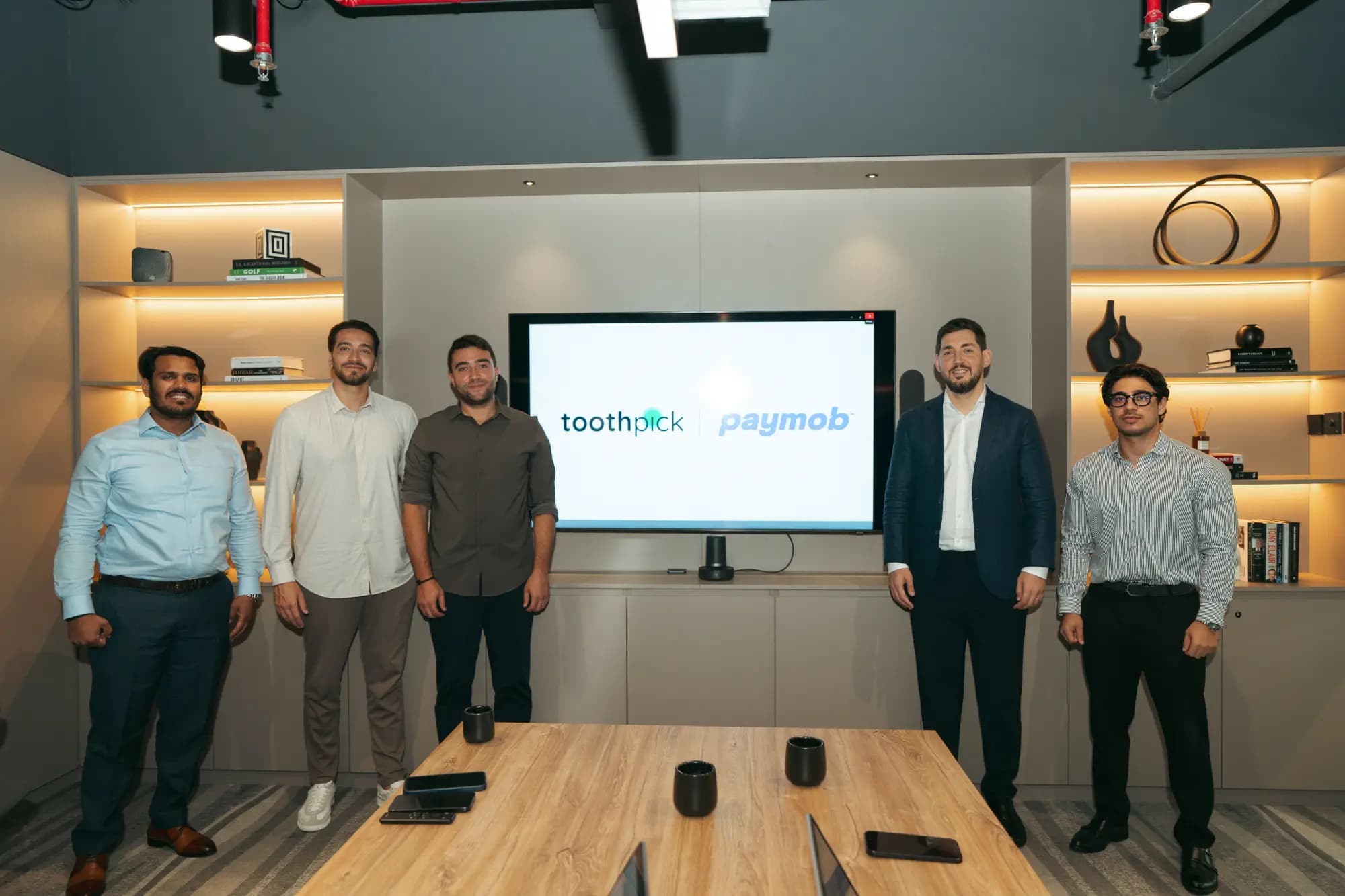
Toothpick and Paymob partner on clinic payments
Paymob will provide participating clinics with online and point-of-sale payments, visible in the Toothpick dashboard.
- Company
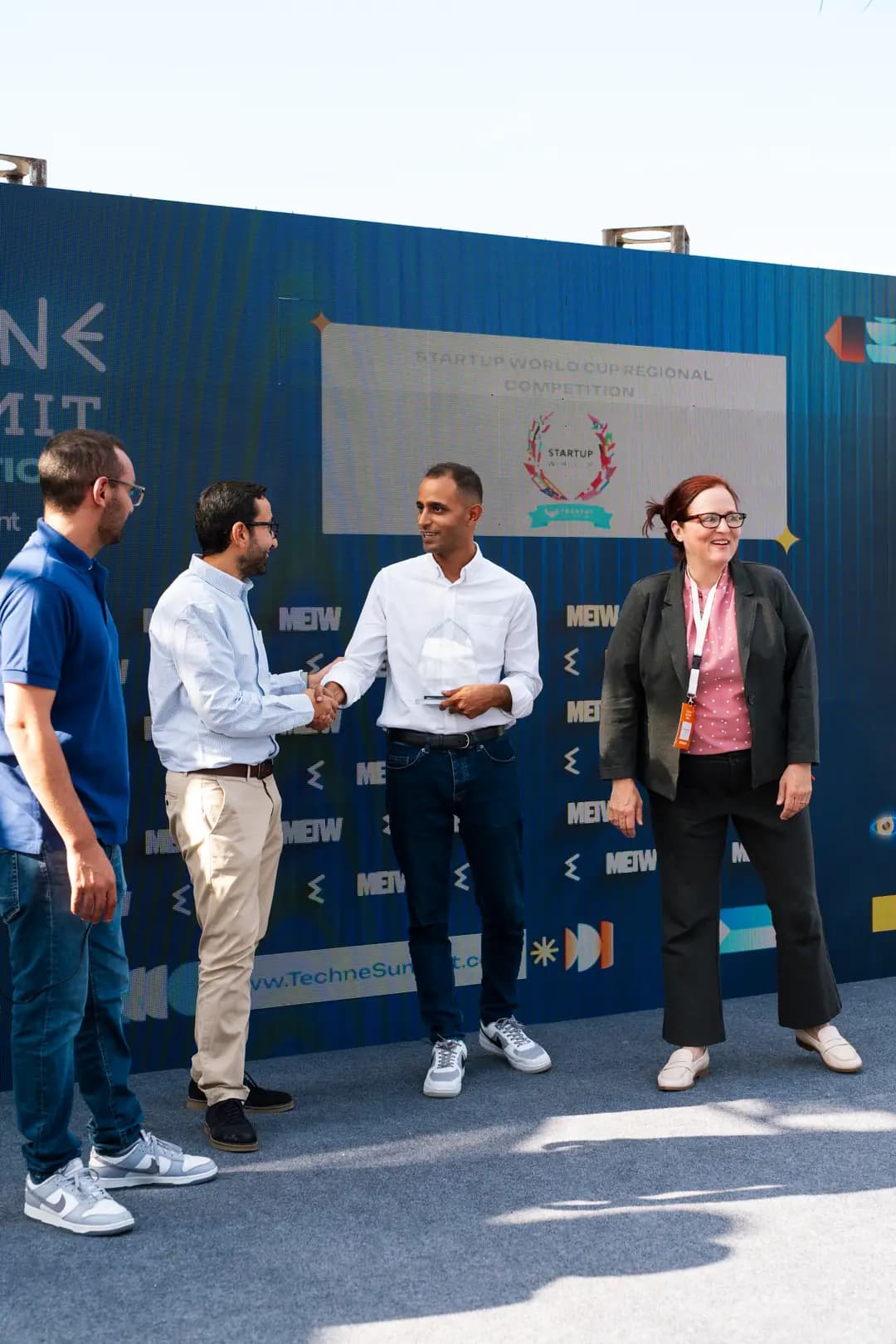
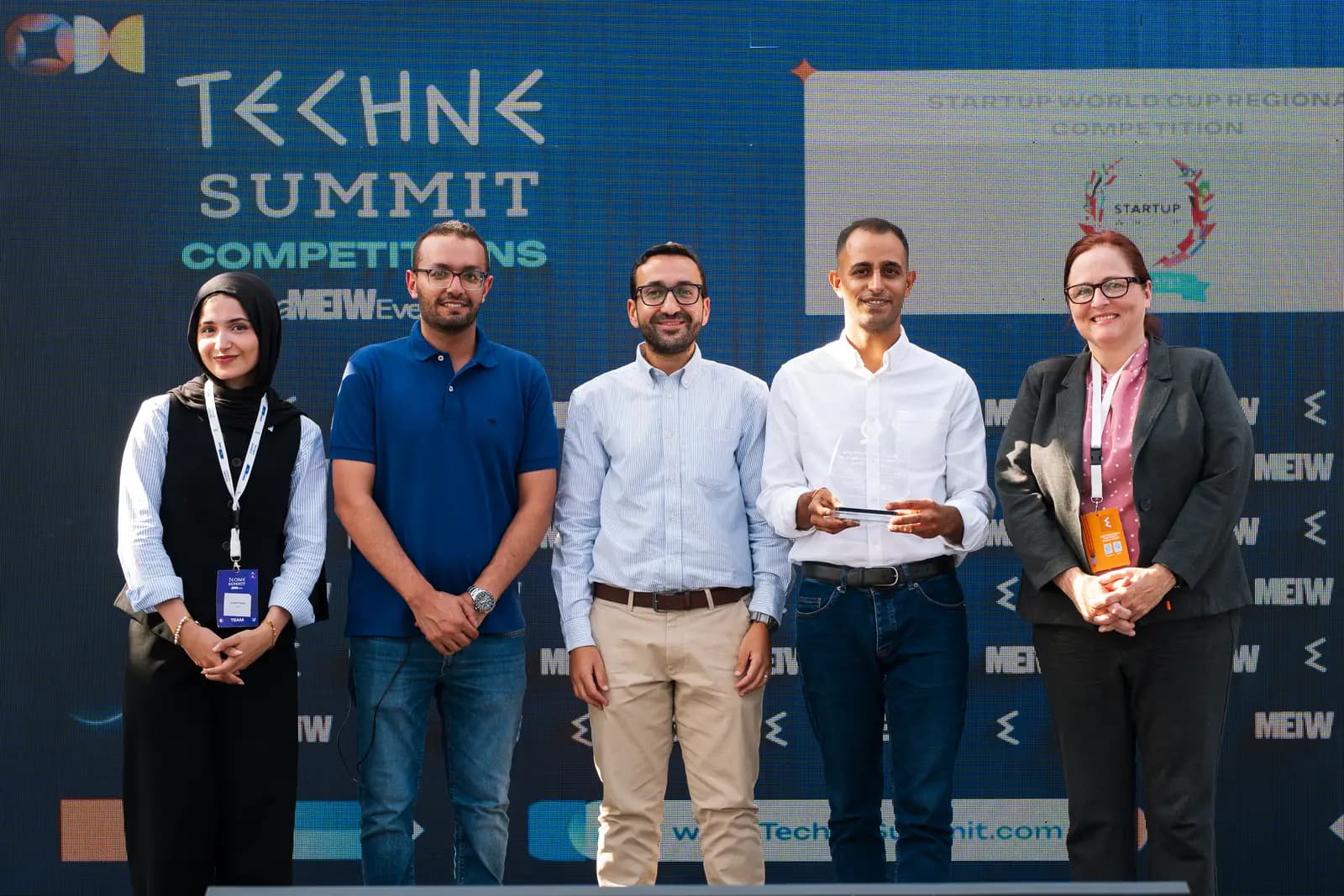
We're taking Toothpick to San Francisco
Toothpick joined the NVIDIA Inception Program and won the Startup World Cup Egypt regional at Techne Summit Alexandria 2026.